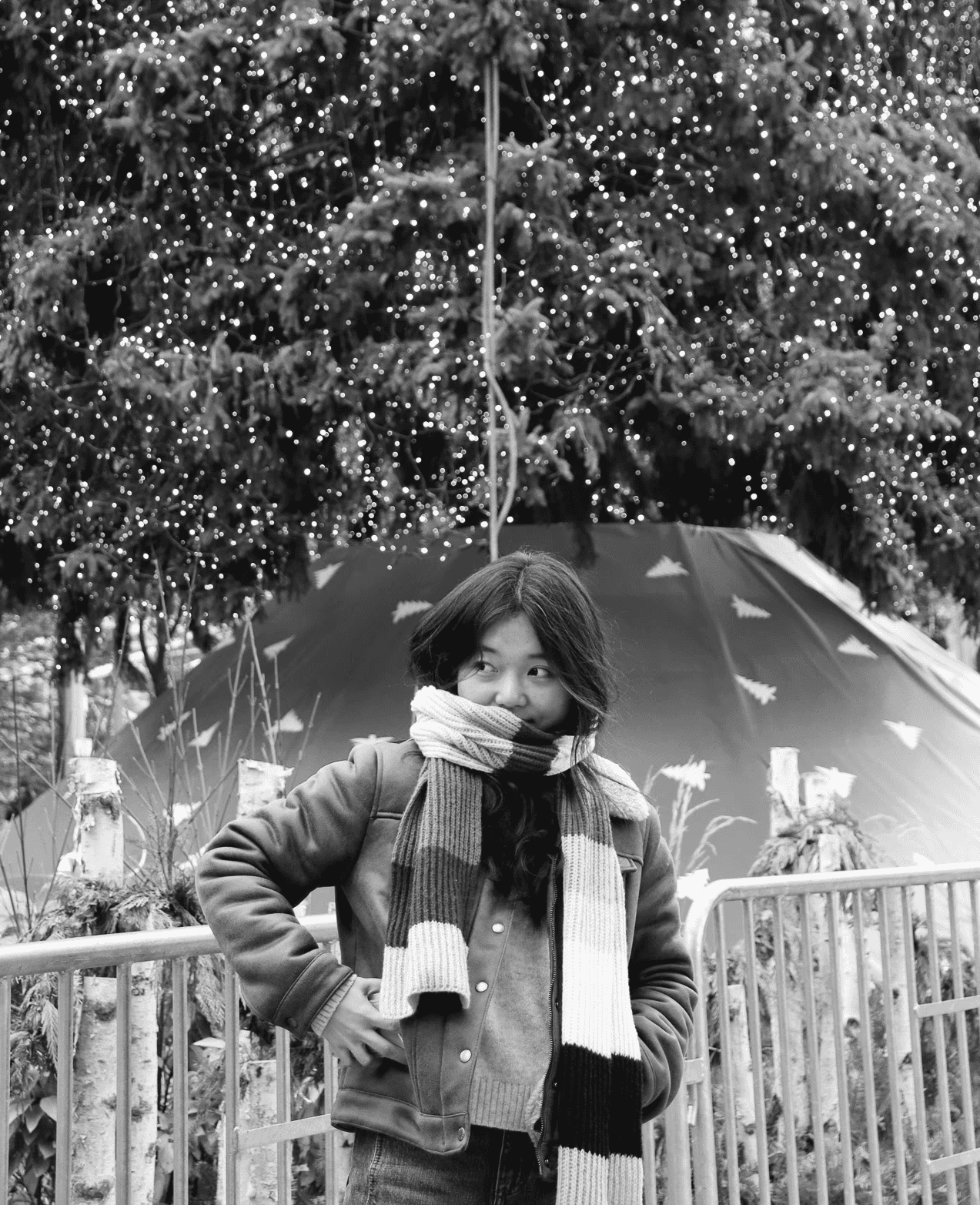
My Korean name means “to experience a lot,” and I've lived by that philosophy. Trying to approach life like playing bingo rather than following a fixed quest map: there are countless ways to win, each move requires strategy, luck, and trust in the choices you’ve made!
Why I love childhood
When people are diagnosed with Alzheimer's, the memories that remain are often from their early childhood. This reveals something profound about human nature.
Childhood isn't just a phase of life—it's the foundation of who we are. Our truest, purest selves exist before society begins shaping us, before we learn to compare ourselves to others, before we're told what's possible or impossible.
These early memories persist because they contain our authentic self—the version of us that existed before external pressures rewrote our internal compass.
The Impulse Voice & Finding Your Wings
Robert Greene's "Impulse Voice"
In Mastery, Greene describes how children have an innate sense of what they love and who they are before society tells them what to think or be. This impulse voice is like our wings—a guide to our truest selves.
But as we grow, we often lose touch with this voice due to societal expectations, comparisons, and the need for validation. We forget how to fly because we stop using our wings.
Reconnecting with that impulse voice—our metaphorical wings—is essential. It reminds us of our childhood wonder, the joy and curiosity that keep us grounded in our true selves. This becomes our anchor during life's toughest moments.
This is why I believe protecting childhood wonder isn't just about preserving memories; it's about preserving the core of what makes life meaningful and beautiful.
How This Shapes My Work Today
This philosophy led me to found Tedio and pursue AI ethics research. I'm not just building technology—I'm protecting the conditions where authenticity can flourish.
Authentic Innovation
Creating solutions based on genuine human needs, not market trends or engagement metrics
Systemic Thinking
Understanding that individual problems often require changing entire systems, not just symptoms
Research-Driven
Grounding idealism in empirical evidence and rigorous academic methodology
Bridge Building
Connecting disciplines that rarely talk to each other—humanities and engineering, policy and technology