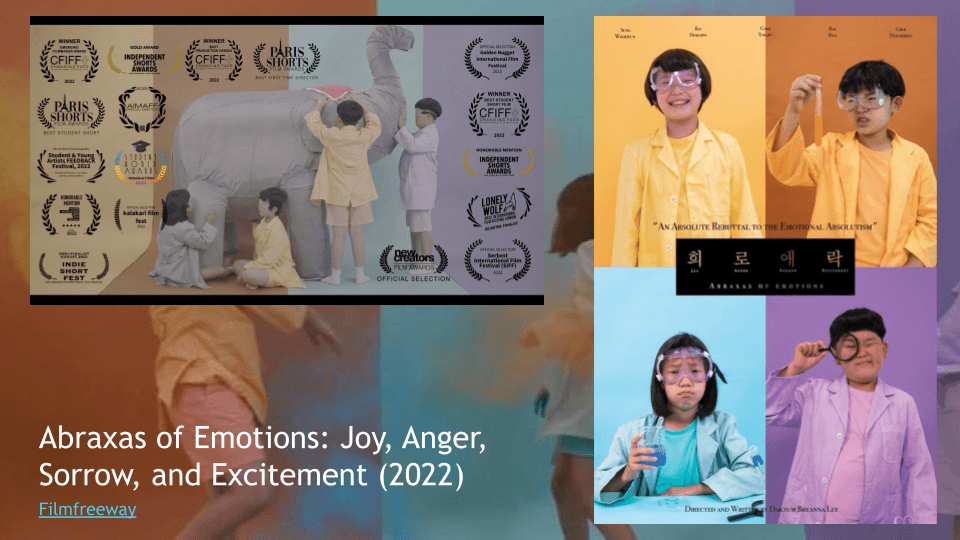
Abraxas of Emotions (2022)
"in every moment in life, whether it is happy, exciting, or even heart-aching, all those pieces of emotions and adventure we meet are eventually beautiful brush strokes to compose a beautiful painting called life."
In the process of defining my life as growing up, people tend to determine the essence of something through simple dichotomy or decimals; it is simply a "good" or "bad" nature, a "happy," or "sad" moment. While there are benefits to looking at the world on such a simple scale of judgment, if we can broaden our horizons and look at our lives from afar, we will come to realize that not just happy, angry, sad, and exciting moments, but all of those rainbows of emotions have comprised our life all together.
In Hermann Hesse's novel Demian, Hesse writes about Abraxas, a god that symbolizes confrontation against the dichotomy of the world.
Through this movie, I want people to remember the lesson of Abraxas; in every moment in life, whether it is happy, exciting, or even heart-aching, all those pieces of emotions and adventure we meet are eventually beautiful brush strokes to compose a beautiful painting called life.
Sadly Never Before (2024)
"Is ‘Happily Ever After’ a time in the nostalgic film-faded past, or a distant, idealistic future?"
Is ‘Happily Ever After’ a time in the nostalgic film-faded past, or a distant, idealistic future? Either way, the present is dismissed as the ‘Sadly Never Before’ of countless other times. The distance between us and the HEA never closes, but that constant space of the SNB has its point:
Ironically, the ‘perfection of nature’ is the opposite of the purity we strive for. Existing in ambiguity, we are as vast as nature, already perfected in dimensions we will never understand. "Life can only be understood backwards; but it must be lived forwards," said Søren Kierkegaard—which may hint that the way we are, sadly never before, may be the state of happily ever after.
Thud (2024)
"While we can't eradicate the chaos, chaos cannot eradicate miracles because miracles are part of disarray"
“thud,” when the snow globe falls to the ground, chaos finally intrudes even the most carefully maintained space. However, the snow globe doesn't break; it lands. While we can't eradicate the chaos, chaos cannot eradicate miracles because miracles are part of disarray.
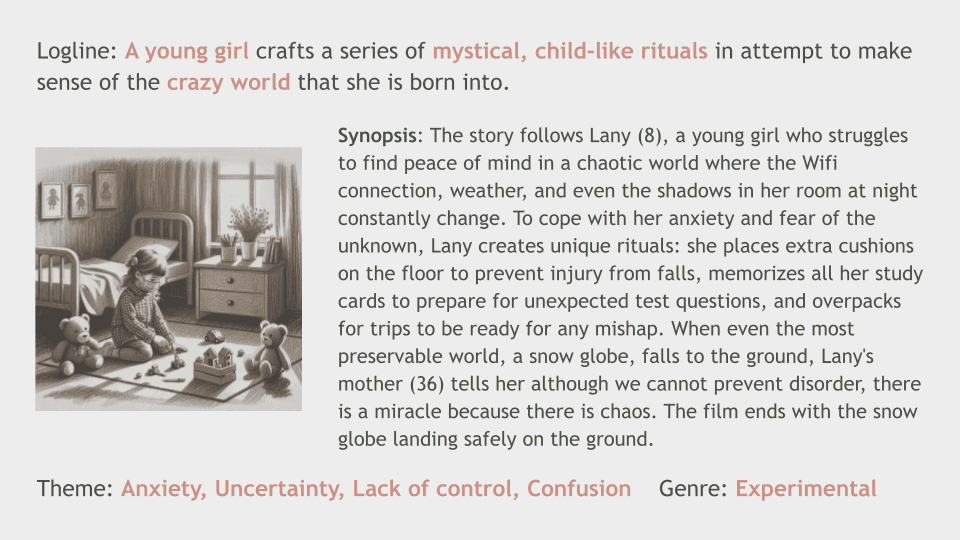
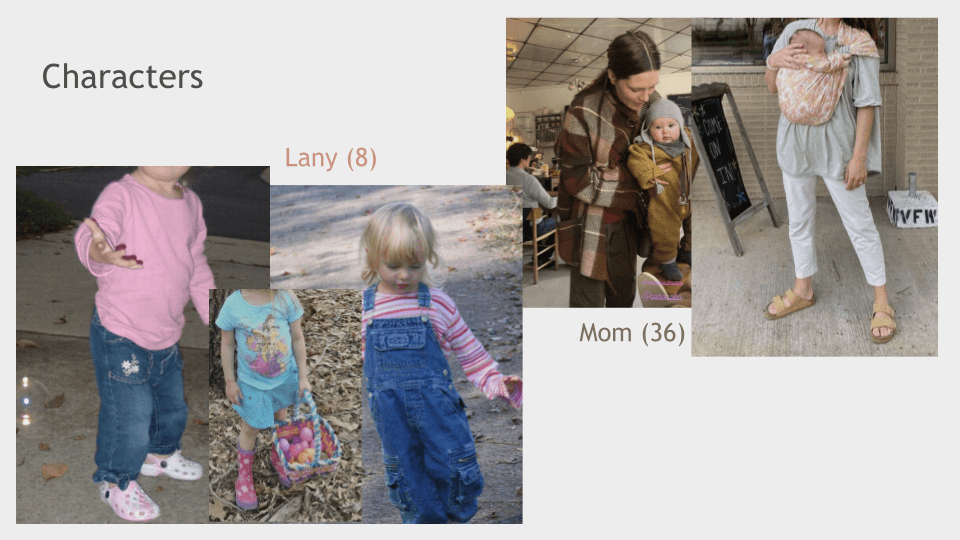
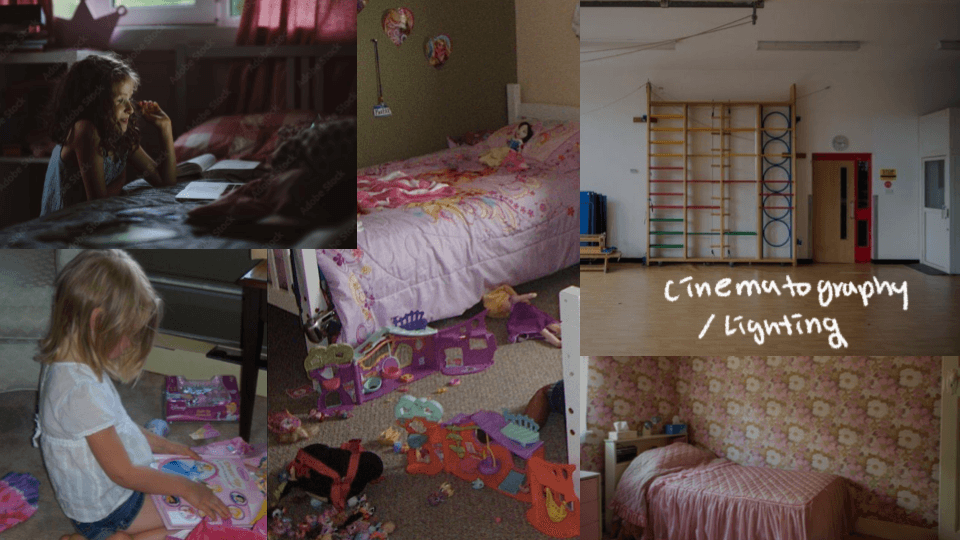
The story follows Lany (8), a young girl who struggles to find peace of mind in a chaotic world where the Wifi connection, weather, and even the shadows in her room at night constantly change. To cope with her anxiety and fear of the unknown, Lany creates unique rituals: she places extra cushions on the floor to prevent injury from falls, memorizes all her study cards to prepare for unexpected test questions, and overpacks for trips to be ready for any mishap. When even the most preservable world, a snow globe, falls to the ground, Lany's mother (36) tells her although we cannot prevent disorder, there is a miracle because there is chaos. The film ends with the snow globe landing safely on the ground.