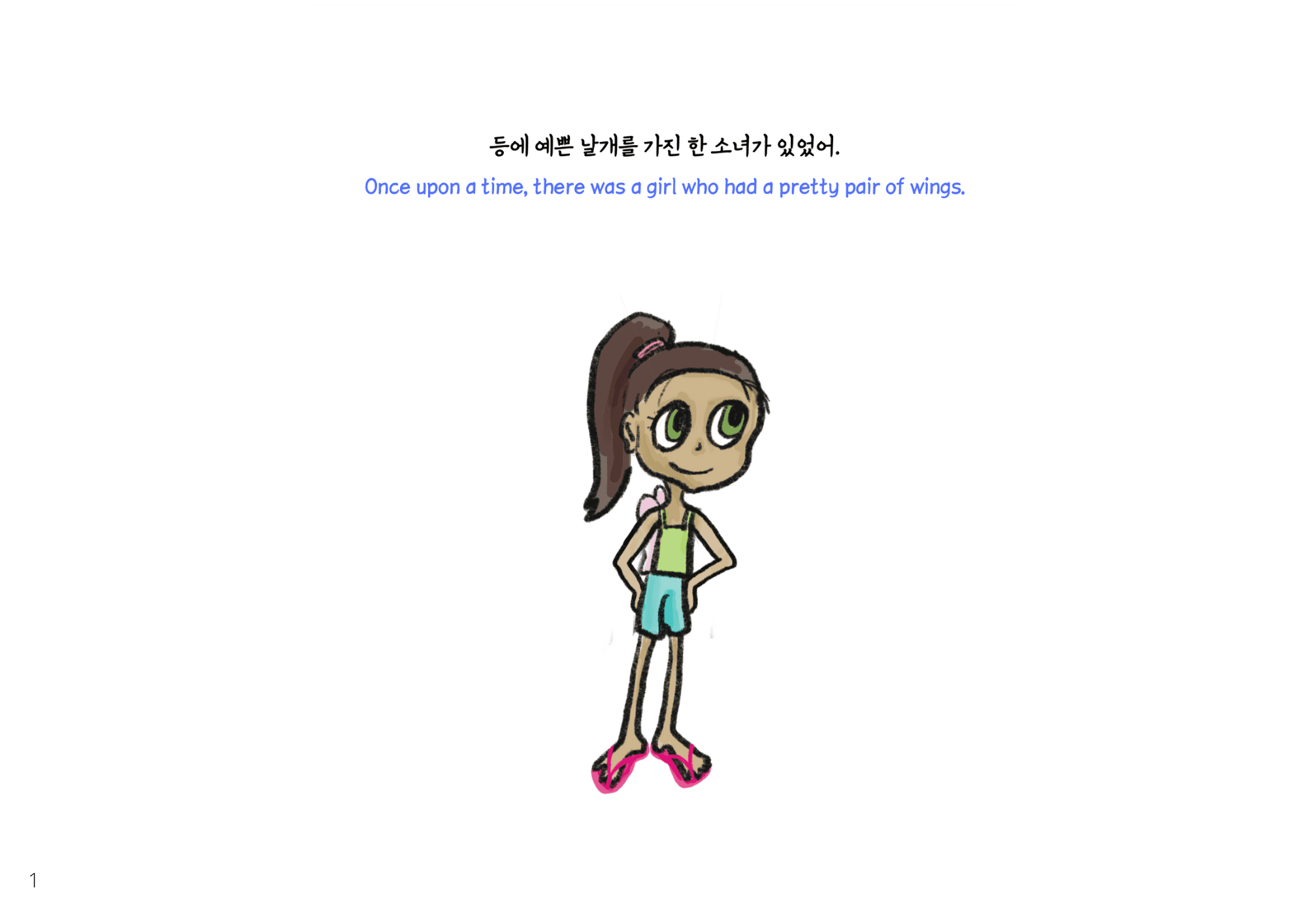
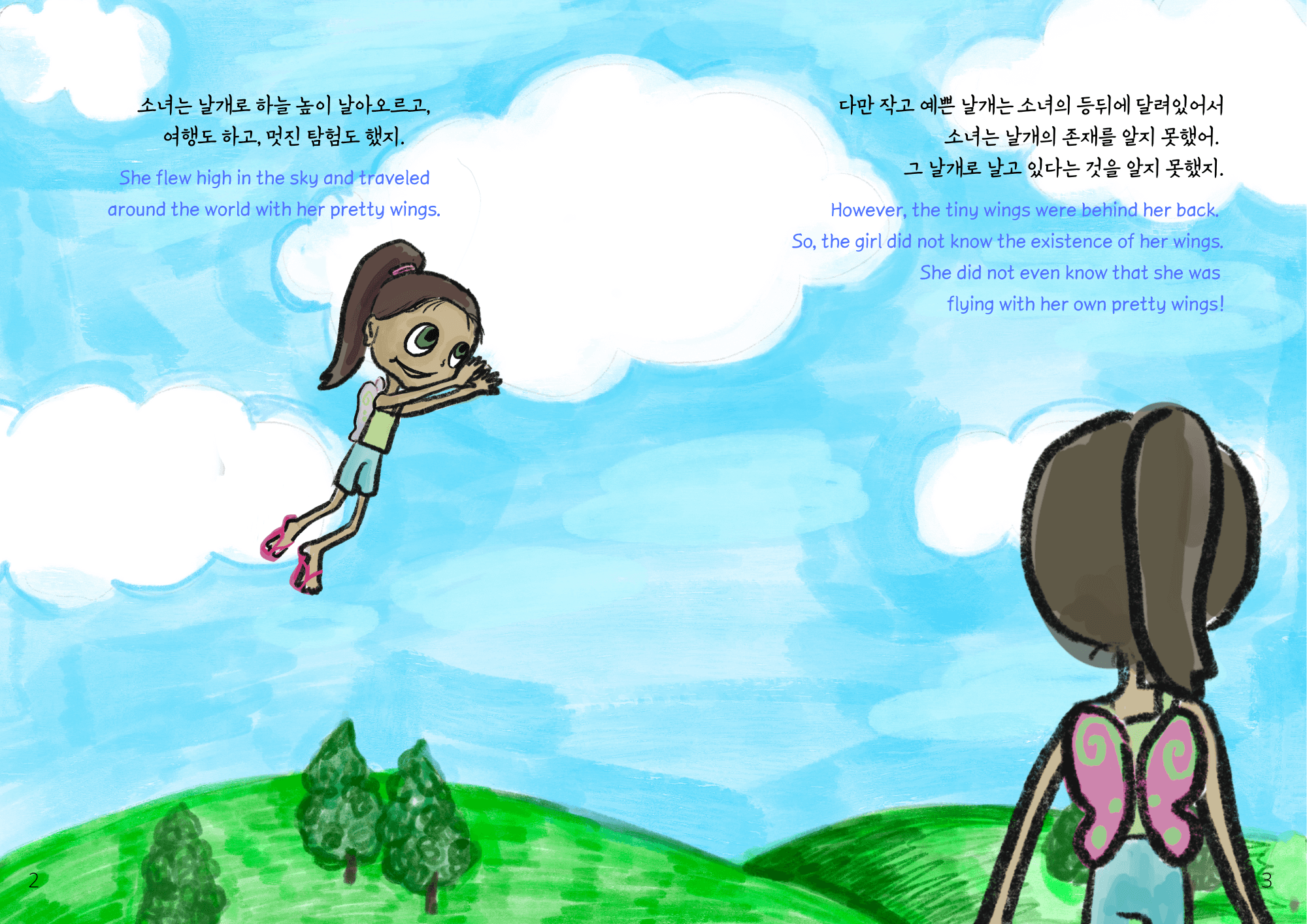
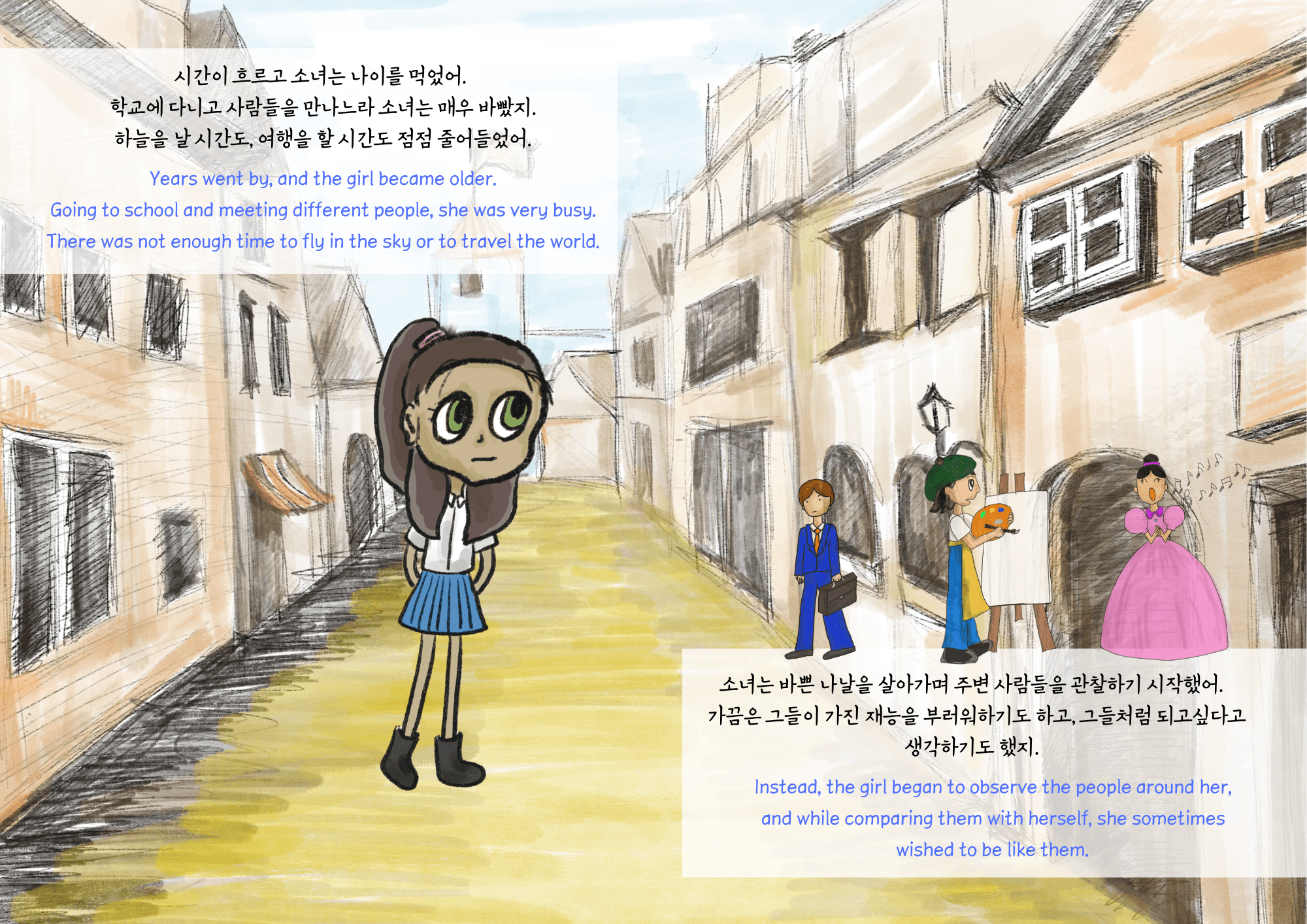
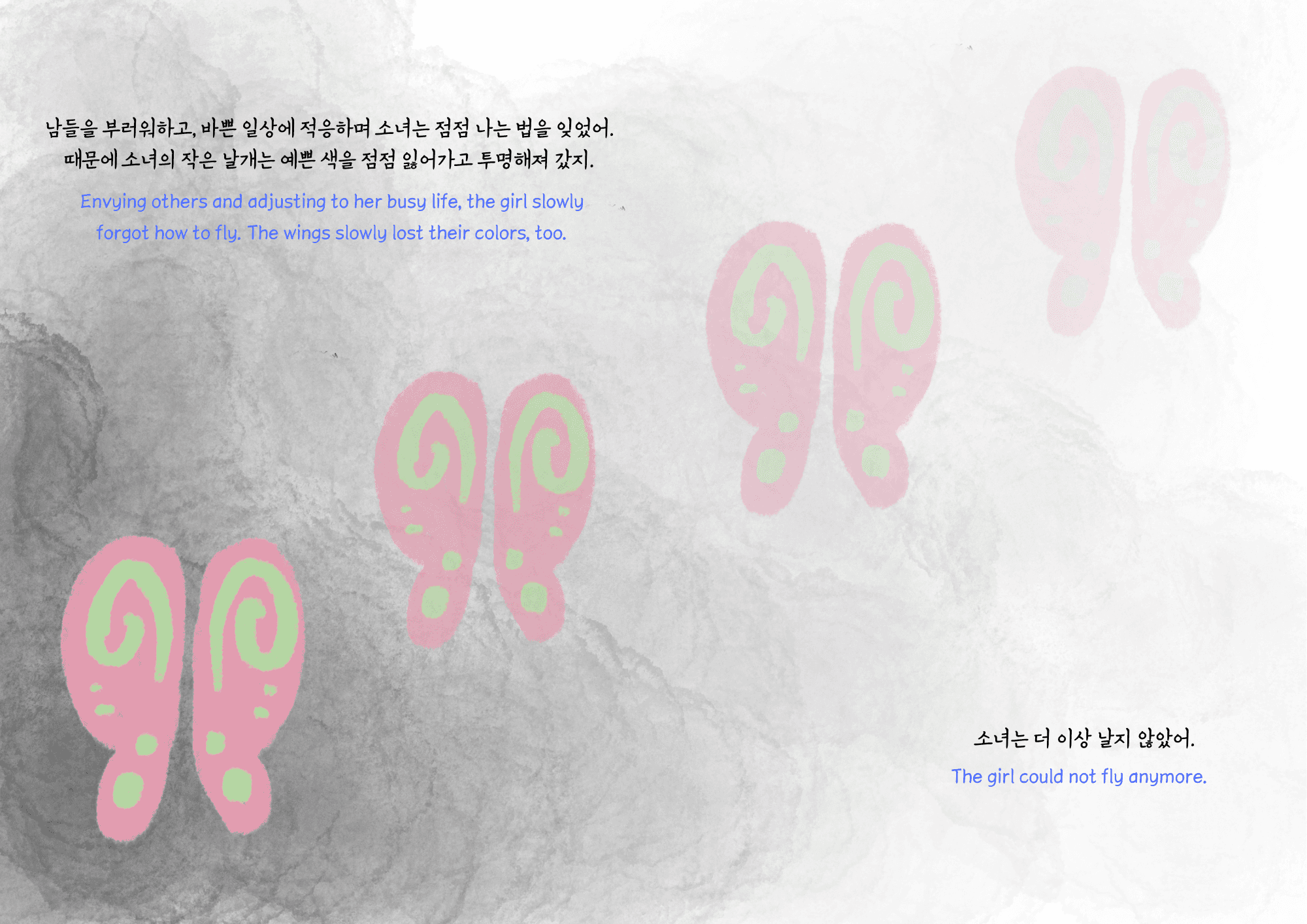
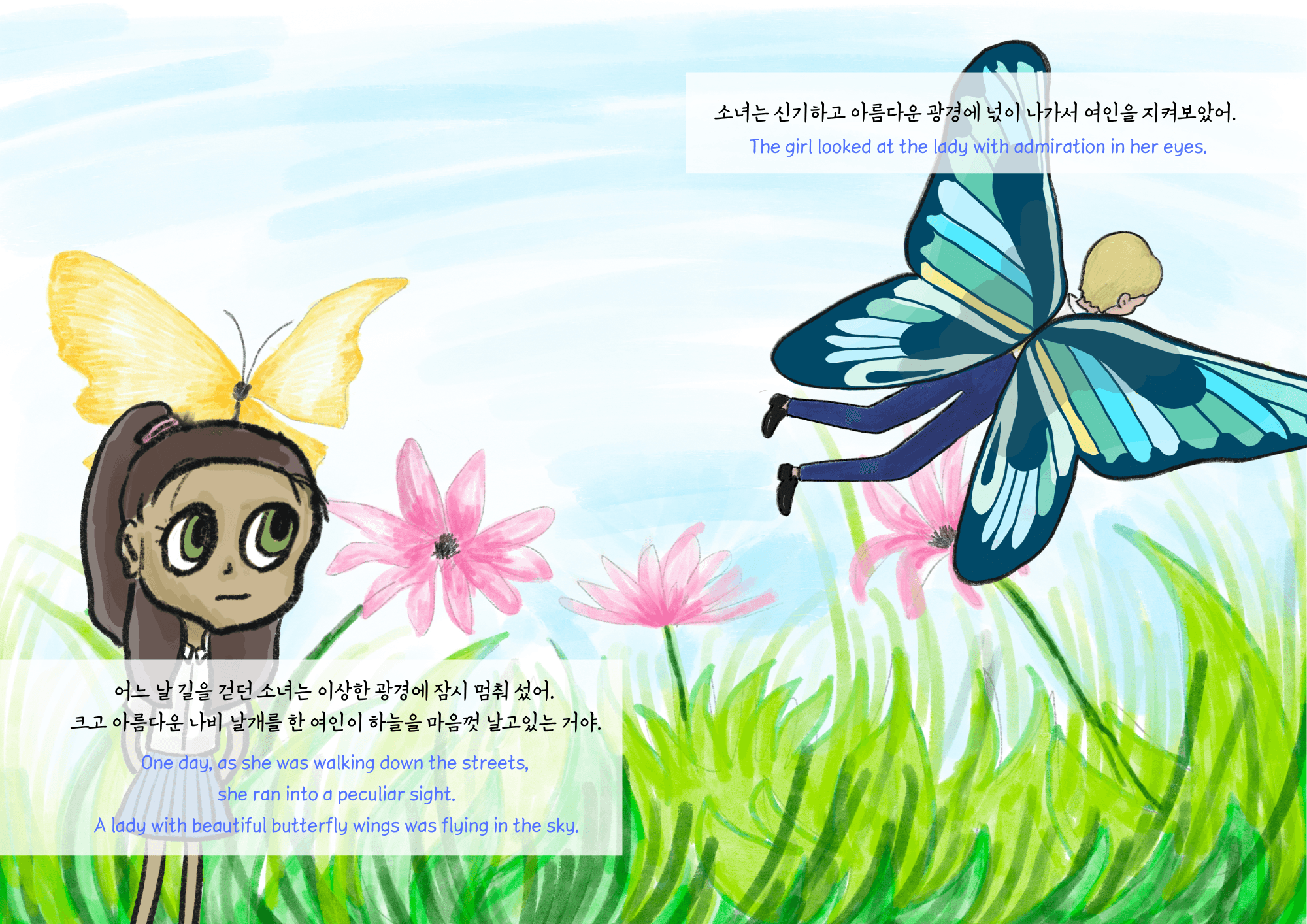
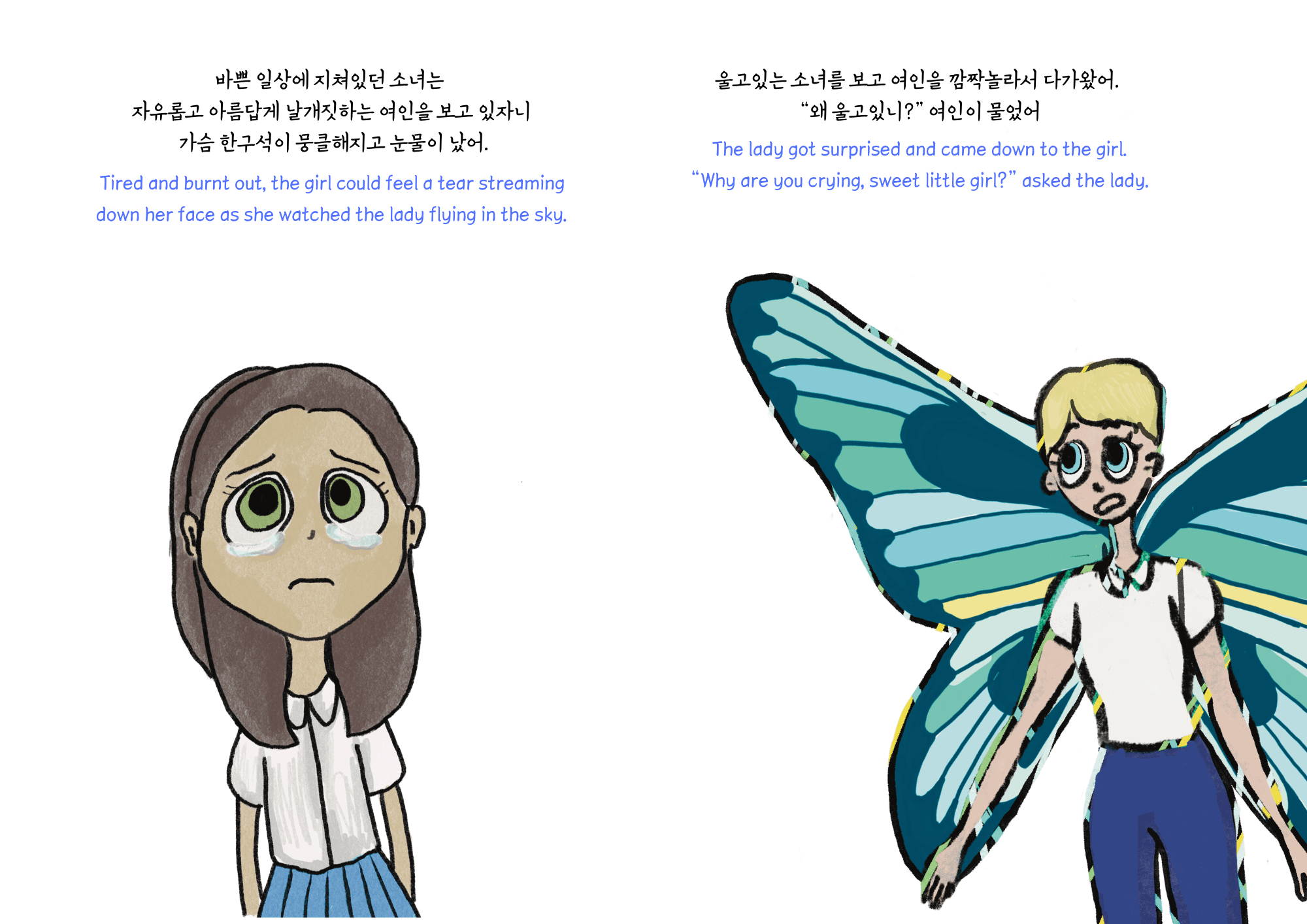
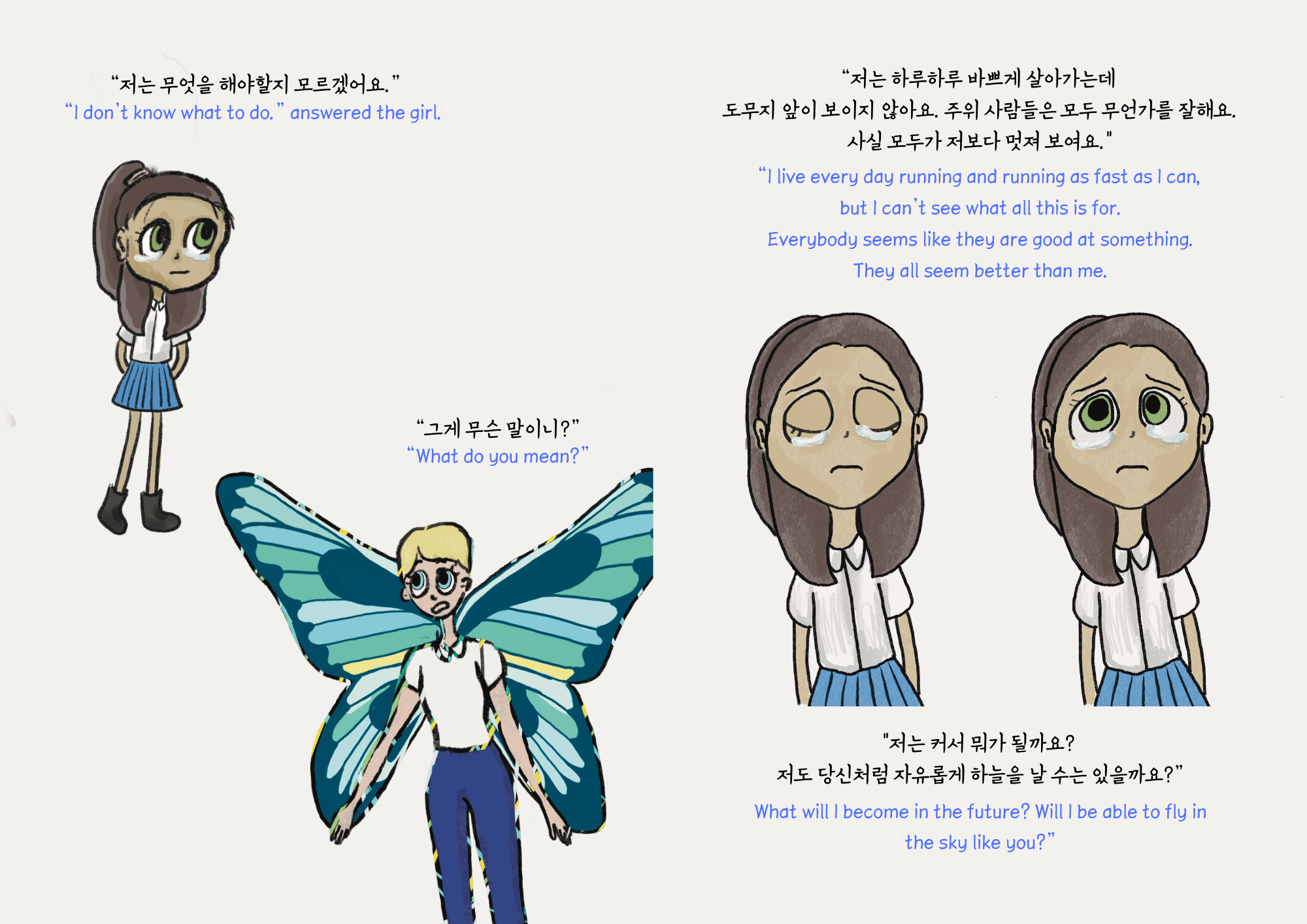
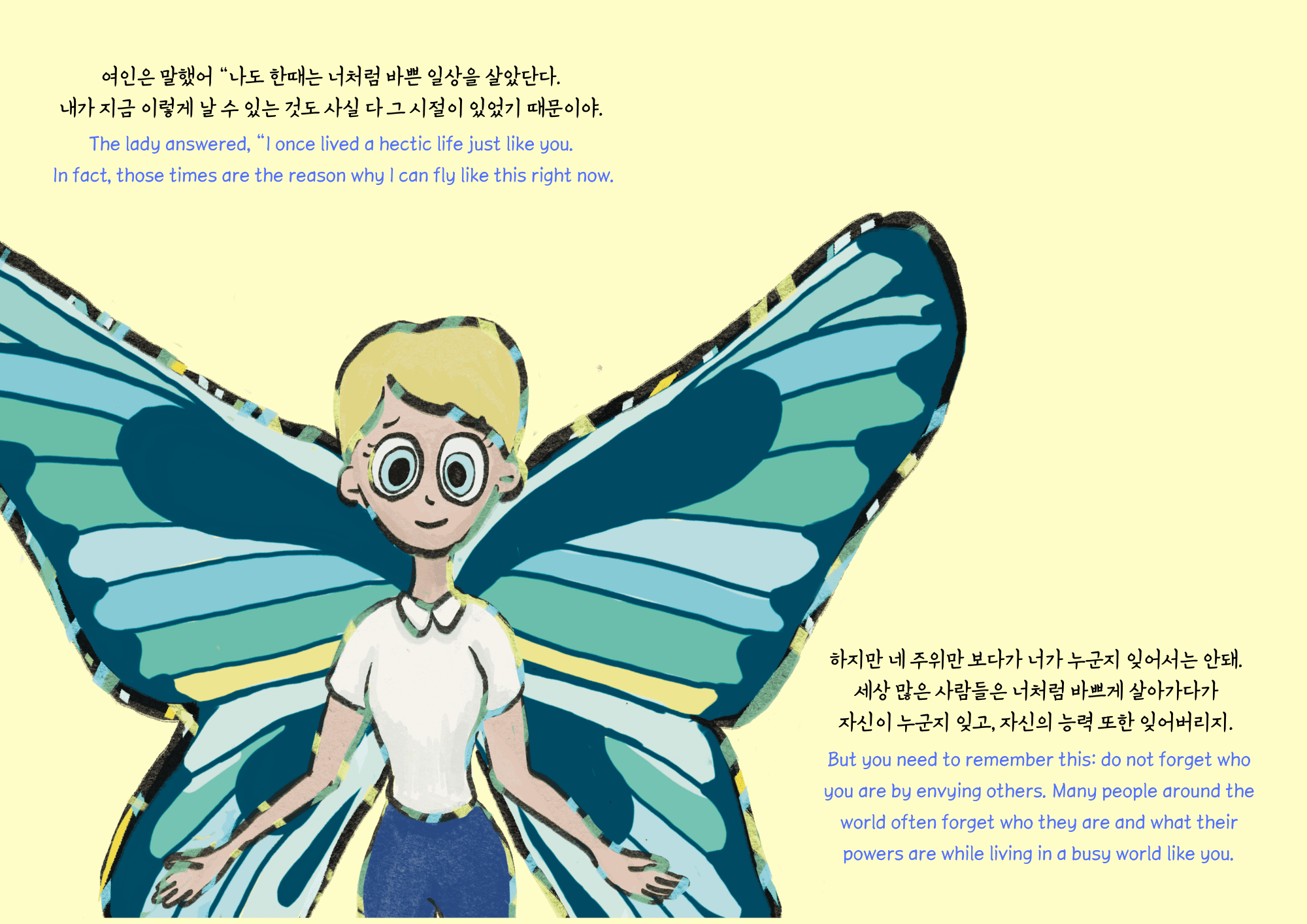
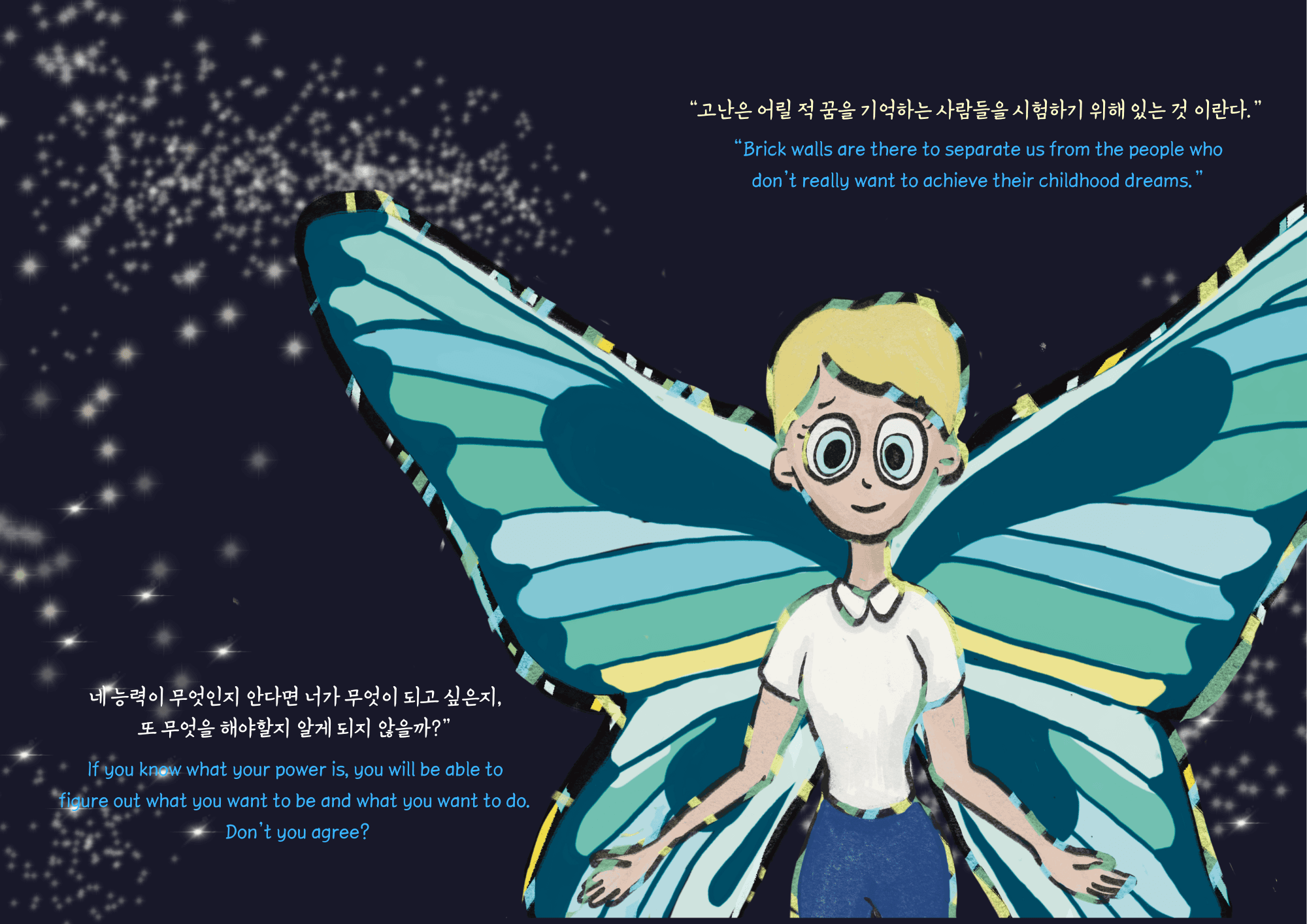
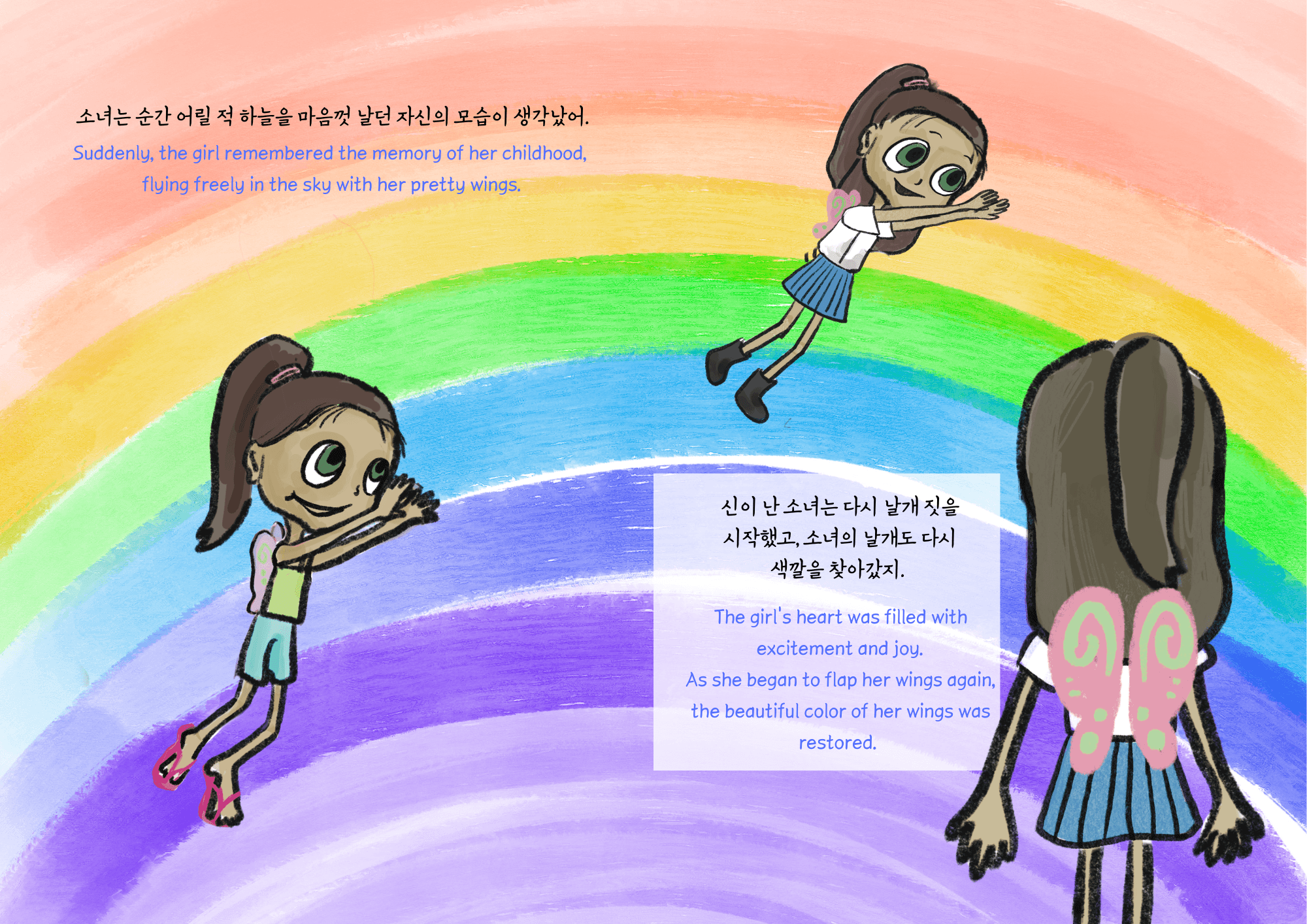
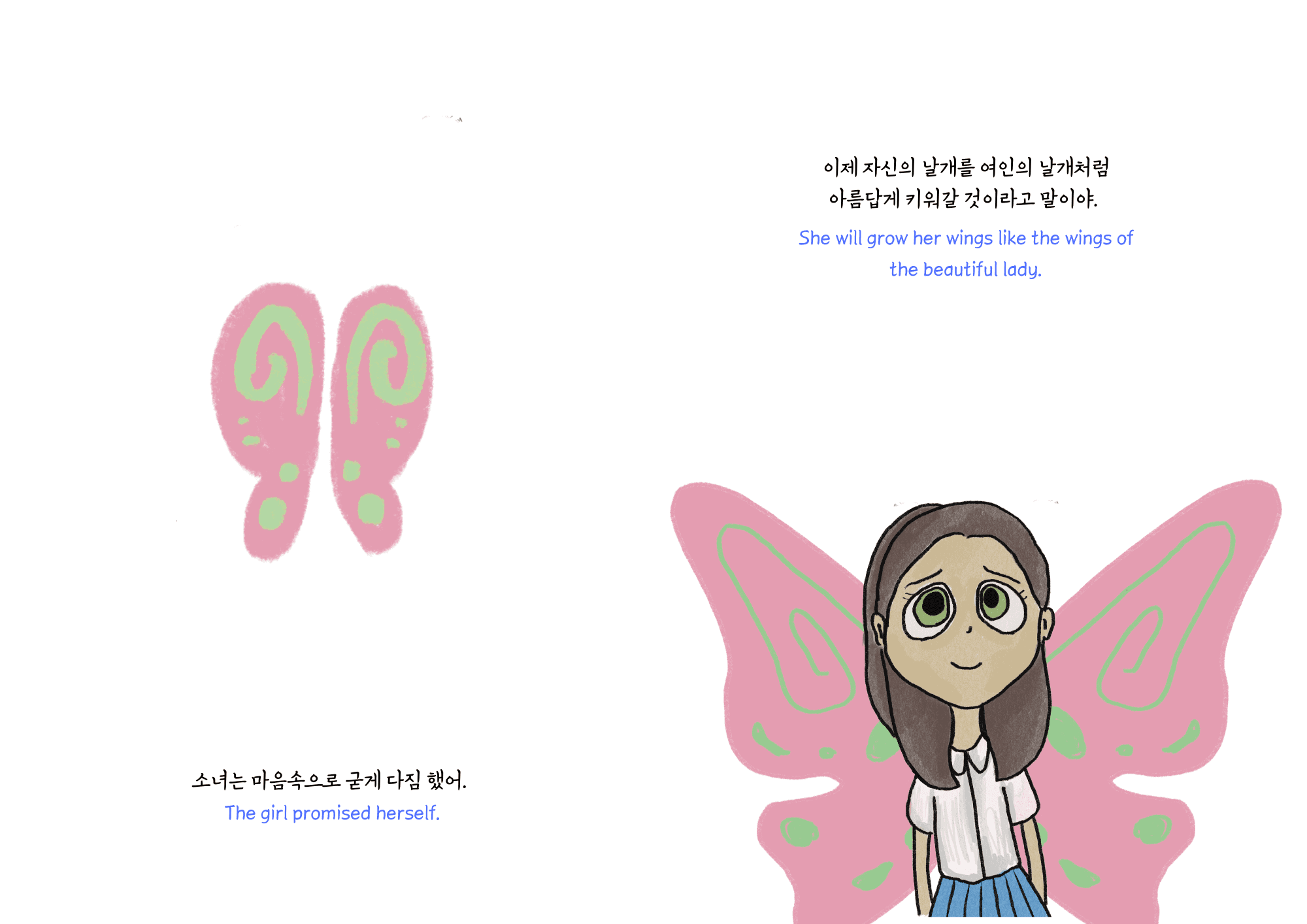
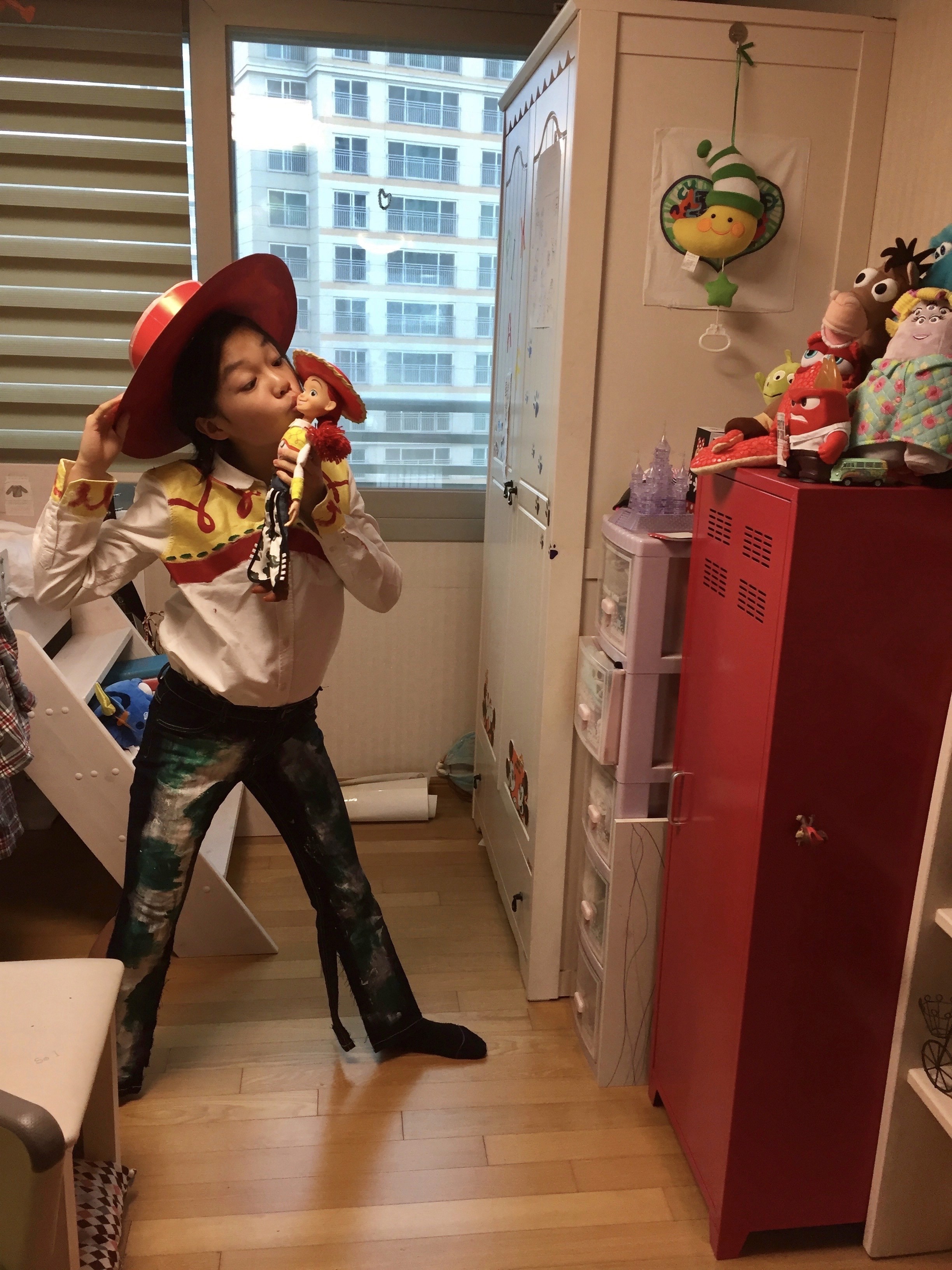
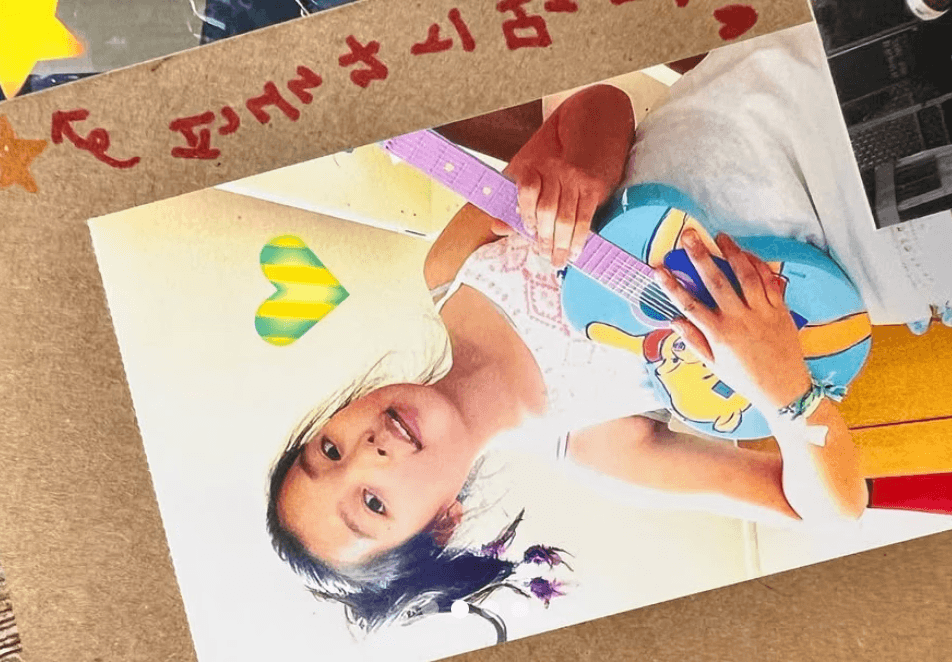
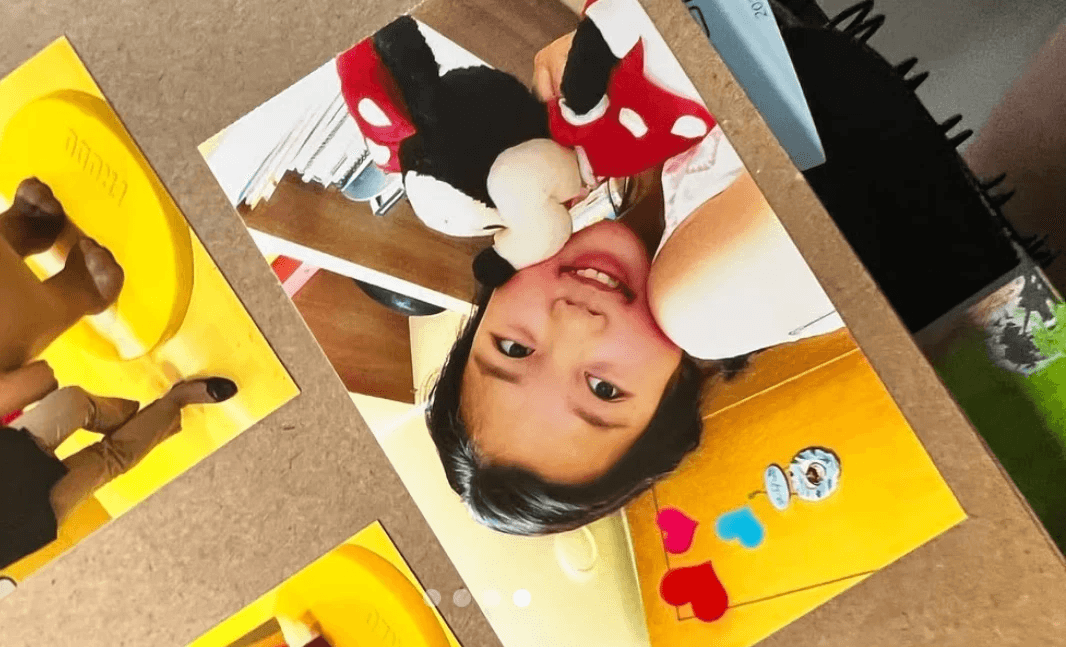
I wrote a children's book called Wings to tell about the importance of remembering our childhood dreams. The book follows a journey of rediscovering the wings we all once had, before the world taught us they were impossible.
"We all had our wings when we are young and free of the world's standards, stereotypes, and prejudices."
The Story Behind the Story
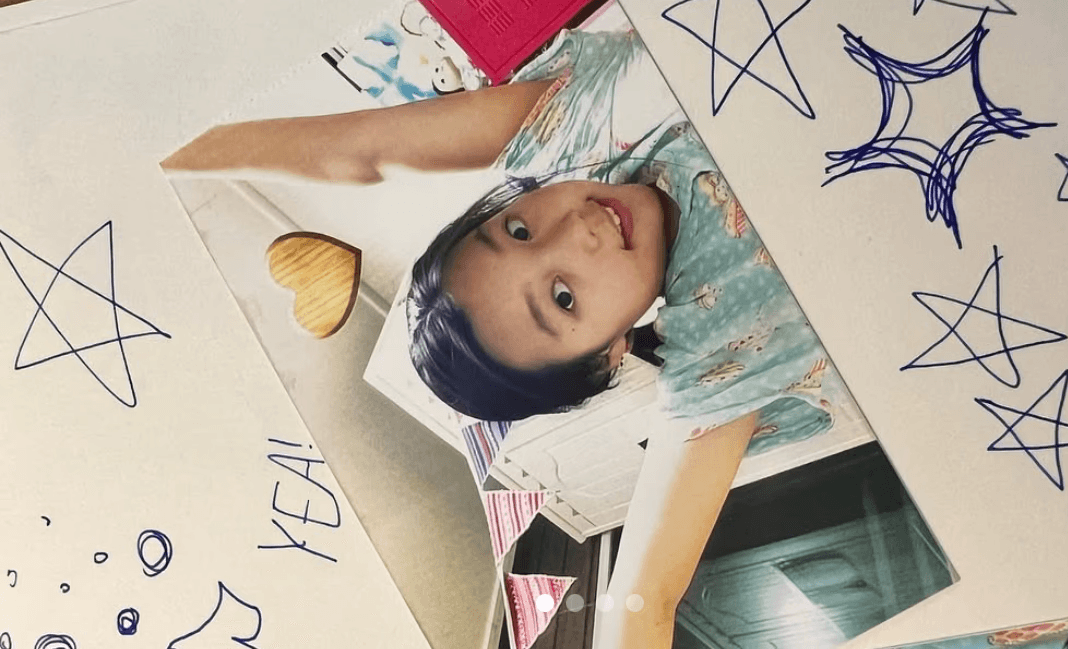
One thing that was quintessential to accepting who I am and validating my unique identity was looking back at my happy childhood days—seeing the undiluted nature of myself and how being so innocently "me" could bring such joy. As I realized the importance of my genuine colors reflected through my childhood dreams, I was determined to protect that same authenticity in others. This led me to create an award-winning film and children's book, both carrying the same essential message: childhood dreams matter.
Plot Twist!
But something startling happened when I read my story in children's shelters and asked the kids about their dreams.
The answers were largely homogeneous: to become rich and famous on social media.
It hit me then how algorithms are quietly and proactively narrowing children's imaginations to fit dreams that weren't theirs. The very thing I was trying to protect—childhood wonder and authentic dreams—was being systematically eroded by the technology surrounding these children.
What I learned about the new generation
(Gen Alpha) and their childhood
The Homogenization of Dreams
The more I looked around the world, the more I saw children struggling to come up with their own dreams. Through research, I discovered that the media they were exposed to was indoctrinating them about consumerism and what their success should look like.
The Parent's Dilemma
When you're at a restaurant, you often see parents giving their phones to their children. It's not because they're bad parents—it's sometimes the only way to find peace of mind. Today, it's almost impossible to avoid handing children devices, and many parents feel guilty about it. (Chong, Teo and Shorey, 2023[18]; Livingstone and Blum-Ross, 2020[19]; OECD, 2024[20]).
The Attention Economy Reality
The engagement-based algorithms behind every social media platform children use prioritize screen time, making tech companies profitable by capturing and selling user attention. Technology and children are now inseparable.
It was when a group of teachers at my high school—teachers who had young children of their own—shared their concerns that I first felt the urgent need to create something that could protect children from toxic and highly addictive media.
From Storytelling to Systems Thinking
This realization transformed my approach from creating individual stories to questioning the systems that shape how all stories reach children. If algorithms were rewriting childhood dreams, perhaps we needed to rewrite the algorithms.
So the real question became: Are we okay with letting children be glued to screens by algorithms that only care about keeping them hooked?
"Protect children's boredom—where their creativity is born."
This mission would take me from children's books to AI ethics, from storytelling to policy research, from protecting individual dreams to reshaping the technological systems that influence an entire generation.